Water Damage Restoration in Western Cranston, RI
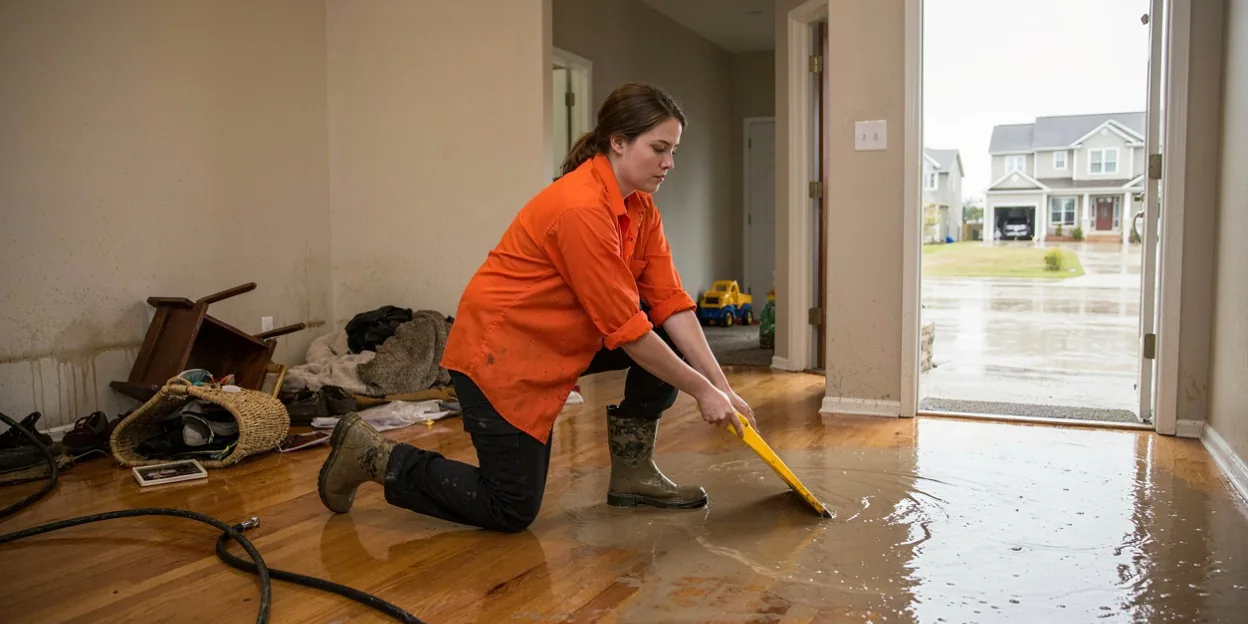
Western Cranston is everything west of Interstate 295: Scituate Avenue, Phenix Avenue, Hope Road, and the villages of Hope and Fiskeville on the Pawtuxet River's north branch, out to the Scituate Reservoir watershed. It is a different city from the east side. The houses are 1960s through 1980s ranches, split-levels, and colonials on acre lots, most on private wells and septic systems, with finished lower levels that are half below grade. Hope and Fiskeville still have 1800s mill housing along the river.
The Pawtuxet's north branch is the flood risk. On March 30 and 31, 2010, it went over its banks at Hope and Fiskeville and flooded the mill village streets and the low lots downstream. Away from the river the problems are a septic tank that backs up when the leach field is saturated in a wet spring, a well pump that keeps running after a pipe splits because nobody is home to hear it, and a split-level's lower level that takes groundwater through the block wall.
We connect Western Cranston homeowners with an independent local water damage provider by phone. You describe the problem; the provider decides what to look at first.
Western Cranston water damage, wells, septic, and the river
A septic backup through a basement shower or floor drain is sewage cleanup, and the tank and field are a septic contractor's problem once the inside is clean. Groundwater or river water in a lower level is basement flooding cleanup. A pipe that froze in a garage wall while the house sat at 55 degrees over a February weekend is frozen pipe cleanup, and the well pump breaker is the shutoff.
Wells, septic tanks, and Kent County water in Western Cranston
Some streets out here are on public water from the Kent County Water Authority rather than a well, and the authority is the one to call for a leak on the street side of the meter on those streets. Rebuild permits go through Cranston's Building Inspection department, and septic repairs need state approval as well.
Call (401) 443-9638 now and tell us what you see. We connect you with a local water damage provider serving Western Cranston.
Services Available in Western Cranston
Water Extraction
Standing water pumped out of a basement, kitchen, or first floor, then the first meter readings to see how far it traveled.
Structural Drying
Air movers and dehumidifiers run by the readings until joists, subfloor, plaster, and drywall come back to their dry target.
Basement Flooding Cleanup
Water out of a stone or block basement after a sump failure, seepage, or a Pawtuxet River rise, then the walls and floor dried.
Sewage Cleanup
Contaminated water and the materials it touched removed after a sewer backup, floor-drain overflow, or failed septic system.
Burst Pipe Water Damage
The rooms, ceilings, and floors a failed supply line soaked, pumped out and dried once the water is shut off.
Frozen Pipe Cleanup
Cleanup after a pipe froze and split in an exterior wall, an unheated porch, or a basement, then drying what the thaw let loose.
Ceiling Water Damage Repair
A stained, sagging, or dripping plaster or drywall ceiling opened, dried, and made ready for repair after the leak above is stopped.
Dishwasher Leak Cleanup
Water under the dishwasher, the cabinet toe kicks, and the kitchen floor found, pulled out, and dried before the subfloor swells.